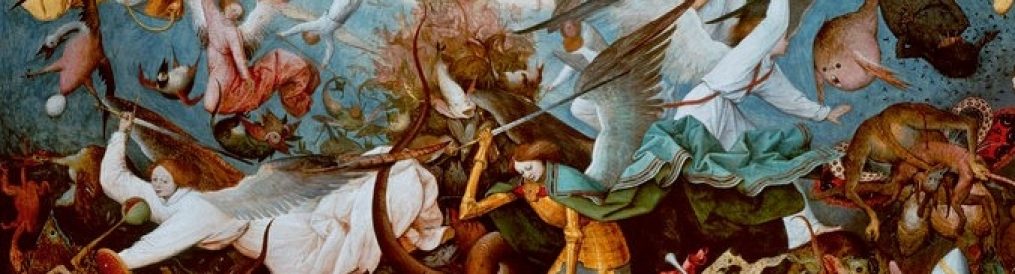
Everyone ultimately serves someone or something. Everyone has a central focus in their life. If it is not God, it is one or more of a host of gods and idols. Even if it is not known, it is still present—a foundation of beliefs that is instrumental in determining how things are viewed and how decisions are made. Everyone that isn’t mad has a foundation of beliefs, and some do who are.
Some know what they worship; if anyone imagines themselves to be free from influencing forces, they deceive themselves. Anyone who denies God and thinks they worship nothing, by default, serves themselves. Everyone bows before a “high place” where they make sacrifices, even if the sacrifices are on their own behalf. Even Satan is not free from his satanic self-worship.
When gods were made of wood, stone, and metals, the images were believed to be inhabited by spirits that ruled nature. As knowledge increased, explanations for things that were attributed to the gods became evident. As the fabrications embraced through ignorance were exposed, the old gods faded away and, for the most part, disappeared.
The invisible God, being one not made by hands, is impervious to corruption and the assaults of material science. Even against those who are esteemed as having the greatest minds ever to exist, the attempts to dismiss the faith of Abraham have proven to be an invincible foe that they cannot destroy.
Neo-gods of Narcissism
When old gods perish, their place cannot remain empty; a void remains in the soul, a vacuum that must be filled. Humans have an inherent need to attach themselves to something or someone greater than themselves—even if they must build themselves up far beyond what they actually are to believe in—a phenomenon that has brought about more idols now than at any other time in history.
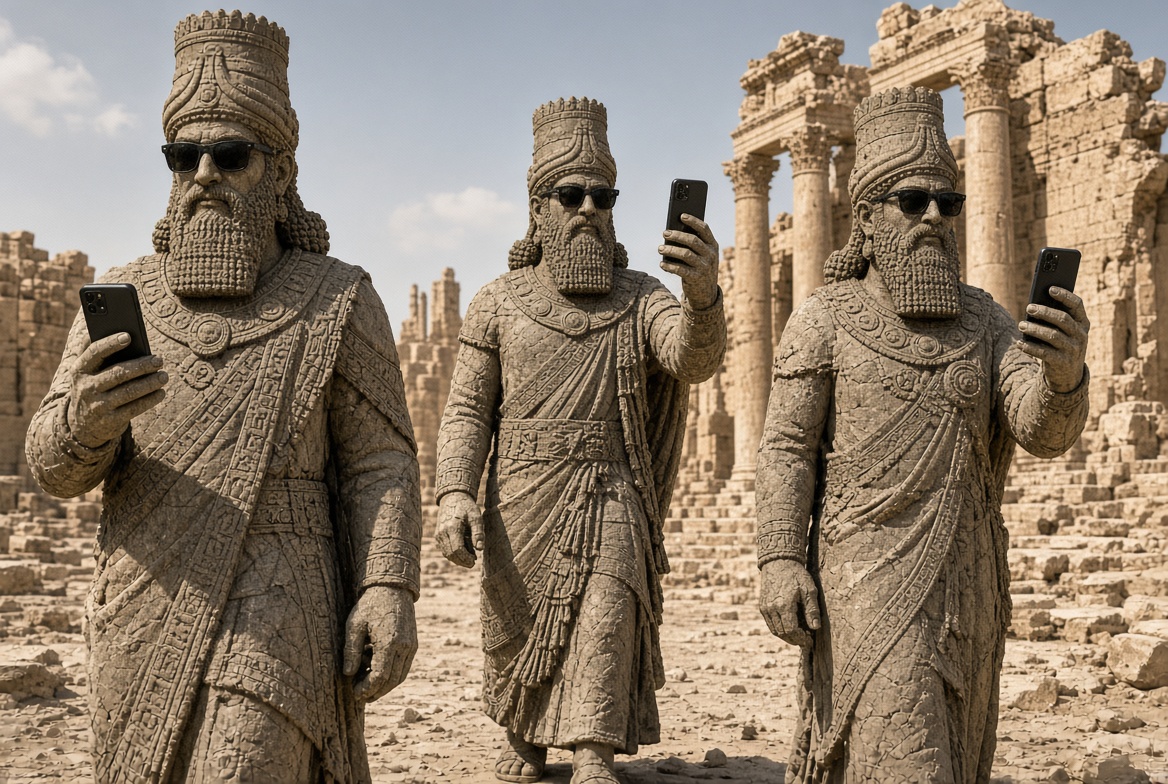
No longer is there any need to spend laborious hours cutting wood, carving stone, or hammering out metals; with a few clicks, an idol can be created, human or artificial. Once placed on social media, they can be shared by millions; others of the same spirit are drawn to the images and embrace them as gods. Every day more idols are created and embraced, each one every bit as vain as the gods worshiped by ancient idolaters.
Millions around the world today are immersed in innumerable and vain imaginations and held captive in invisible chains of bondage. Most of them are devoted to their captivity, spending every moment possible with their eyes locked on their devices idolizing others.
Always assessing and comparing themselves with the idols of their culture, they aspire to them. In turn, many also promote themselves as idols—a virtual world of digital idolaters, cyber-denizens with a tendency to become either narcissistic demigods or depressed worshipers with an inferiority complex. The result is often depression and suicidal impulses.
Above are the “Masters of Minds”—the soulless tech overlords who imagine ruling the world with their technologies by capturing, manipulating, and engineering society. Imprisoning the captives of their monopolies in the confines of their services, they exploit them—not only for financial gain but also to manipulate them to implement their personal agendas and fashion the world as they would have it.
The masses become gods to themselves and each other. And narcissism is the new religion. The message? “You are gods; follow your heart; truth is subjective; each has his own truth, and each has his own way.”
Even the ancient gods of stone provided more stability than today’s evolving gods of narcissism—the molten images being bowed down to now are forever fluid, ever morphing, being shaped day to day by those who are perpetually modifying the cast.
Ancient or present, idolatry is devised in the imagination of a darkened heart. The only escape from false gods is through the embrace of the Word of God, the blood of the cross, and the resurrection of Jesus Christ, who alone is the way, the truth, and the life.
Only the followers of Christ conquer idolatry through the renewing of the spirit by putting on the mind of Christ. “For the weapons of our warfare are not carnal, but mighty through God to the pulling down of strongholds; casting down imaginations, and every high thing that exalts itself against the knowledge of God, and bringing into captivity every thought to the obedience of Christ.” (2 Corinthians 10:4-5)
“For we wrestle not against flesh and blood, but against principalities, against powers, against the rulers of the darkness of this world, against spiritual wickedness in high places.” (Ephesians 6:12)
The high places of groves and idols have been torn down and cast aside; yet, nothing changed. Vain imaginations continue to prevail among the ungodly, whether in material form or in the mind.
The decision each and every human being faces is not whether there is a high place to bow before, but rather who or what will sit in the seat of the high place ruling over the heart, body, mind, and soul.
As free-will agents possessing eternal souls, we all must choose who our God is or what our gods will be. No one can escape from it, and it determines where our souls will spend eternity. There is no other name given in heaven or on earth by which we must be saved other than the name of Jesus Christ.

